







英語口語8000句,根據(jù)日常生活最常用的句子,精選出了8000個句子,并按照用途和場合進(jìn)行分類。真人男女同時發(fā)音,發(fā)音純正,音質(zhì)清晰,是一套不可多得的英語口語教材。
英語口語8000句電子書+MP3錄音(完美版)
●從起床到出門
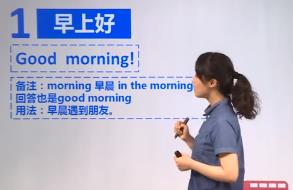
早晨好!
Good morning.
Good morning, John. (早晨好,約翰。)
Good morning, mom. (早晨好,媽媽。)
鬧鐘響了嗎?
Did the alarm clock go off? *go off是鬧鐘“響”的意思。
Did the alarm clock buzz?
Did the alarm clock ring?
該起床了!
It"s time to get up!
It"s time to get up! (該起床了!)
I don"t wanna get up. (我真不想起。)
It"s time to wake up!
It"s time to get out of bed.
It"s time to get ready.
快點兒起床!
Get up soon.
Get up soon. (快點兒起床!)
I don"t want to. (我真不想起。)
你醒了嗎?
Are you awake? *get up是動詞,表示“起床”、“起”的動作。awake是形容詞,表示“醒了”、“沒睡”的狀態(tài)。
Are you awake? (你醒了嗎?)
I am now. (我剛醒。)
你不舒服嗎?
Are you feeling sick?
Are you feeling sick? (你不舒服嗎?)
No, I"m just tired. (沒有,只是有點兒累。)
睡得好嗎?
Did you sleep well?
Did you sleep well? (睡得好嗎?)
Yes, I slept very well. (嗯,睡得挺好。)
Did you sleep well? (睡得好嗎?)
No, I couldn"t fall asleep. (哪兒啊,幾乎沒睡著。)
能幫我關(guān)掉鬧鐘嗎?
Would you turn off the alarm clock? *turn off的原意是“關(guān)”,多用于收音機(jī)、電視、照明等類的東西。雖然現(xiàn)在有許多東西無需用按鈕開關(guān),但一般也用turn off表示。
Please turn off the alarm clock. (請把鬧鐘關(guān)了。)
你終于起來了。
You finally got up.
You finally got up. (你終于起來了。)
I"m still sleepy. (我還困著呢!)
今天是個好天!
It"s a nice day!
It"s a nice day! (今天是個好天!)
It sure is. (是不錯啊。)
It"s a beautiful day!
It"s a wonderful day!
It"s a great day!
昨晚你熬夜了?
Did you stay up late last night? *stay up late“睡得晚”、“熬夜”。
Did you go to bed late last night?
把被子疊好。
Let"s fold up the futon. *fold意為“折疊”,fold up意為“疊好”、“疊整齊”;futon原本是日文,現(xiàn)在英文中也逐漸使用,意為“被子”。
Let"s put the futon away. (把被子收起來吧。)
昨天晚上你打呼嚕了。
You were snoring last night. *snore“打呼嚕”。
You were snoring last night. (昨天晚上你打呼嚕了。)
Did I keep you up? (影響你睡覺了嗎?)
You were sawing logs last night. *saw logs原意為“鋸木頭”,在此用來表示“打呼嚕”。
我做了個可怕的夢。
I had a nightmare.
I had a nightmare. (我做了個可怕的夢。)
It"s all right now. (現(xiàn)在沒事了。)
你一直沒關(guān)燈啊。
You left the light on. *left (leave)是“保持某種樣子”、“保持某種狀態(tài)”的意思,表達(dá)“電燈一直開著”、“發(fā)動機(jī)一直開著”、“窗戶一直開著”也可以用這種句型。
You forgot to turn off the light. (你忘了關(guān)燈了。)
我得洗臉了。
I have to go wash my face. *go wash是go和wash兩個動詞連用,口語中常用。可以把它看作是go and wash的縮略形式。
該吃早飯了。
It"s time to eat breakfast.
It"s time to have breakfast.
我還困著呢。
I"m still sleepy.
I"m still drowsy.
我還打哈欠呢。
I"m still yawning.
昨天的酒還沒醒呢。
I have a hangover.
我是個夜貓子。
I"m a night person. *“早上起不來”的意思。
I"m a night person. (我是個夜貓子。)
I"m not. (我可不是。)
I"m a morning person. (我喜歡早起。)
我是用咖啡來提神的。
Coffee wakes me up.
Coffee gets me going.
刷牙了嗎?
Did you brush your teeth?
Have you brushed your teeth?
我得梳梳頭了。
I have to comb my hair.
穿什么好呢?
What should I wear?
What should I wear? (穿什么好呢?)
The red one. (穿紅的吧!)
Which dress should I wear?
Which one should I wear?
What should I put on?
郵箱
huangbenjincv@163.com
