







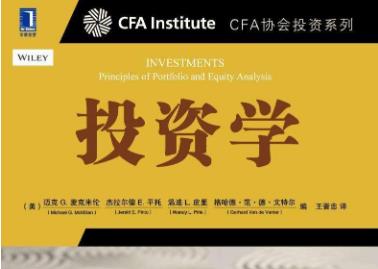



投資學課程內(nèi)容包括證券品種和證券市場基本知識,講述如何通過基本分析方法對證券品
種進行估值,技術(shù)分析進行時機選擇,并通過模擬投資進行理論知識的應(yīng)用。
它的主要任務(wù)是通過各個教學環(huán)節(jié),運用課堂講課,講座、投資組合模擬和分析軟件的演
示,使學生掌握股票、債券、投資基金等金融品種的基礎(chǔ)知識,了解我國和世界主要國家
和地區(qū)證券的制度。掌握證券投資學中的基礎(chǔ)分析法和技術(shù)分析法,熟悉現(xiàn)代投資組合理
論的基礎(chǔ)知識。
Investment is set to improve students’ knowledge scope and help them quickly understand the
security instruments and trading system. Students are required to use fundamental analysis, such
as macro-analysis and micro-analysis, to valuate different securities and use these kinds of
knowledge through constructing simulated portfolios. Its main task is to make students know the
basic knowledge about stock, bond and mutual fund products and securities system of main
countries in the world through lectures and simulated portfolios. Students must learn to use the
fundamental and technical analysis methods in investment process and be familiar with basic
knowledge about portfolio management.
主要內(nèi)容及學時分配
1.導(dǎo)論3學時
1.1投資歷史回顧
1.2投資的目標
2.投資分析方法分類3學時
2.1被動投資理論基礎(chǔ)
2.2主動投資方法分類
2.3價值投資理論基石
3.價值人物&投資的意義3學時
4.巴菲特投資準則(一)3學時
4.1企業(yè)準則
4.2管理準則
4.3案例
5,巴菲特投資準則(二)3學時
5.1財務(wù)準則
5.2市場準則
5.3案例分析
6.投資心理學與耐心的價值3學時
6.1市場先生
6.2過分自信
6.3過度反應(yīng)偏差
6.4損失厭惡
6.5旅鼠效應(yīng)
6.6情緒陷進管理
研究生課程教學大綱
6.7 耐心的價值
6.8 系統(tǒng)1、系統(tǒng)2
6.9 心智工具間隙
6.10 巴菲特的三大優(yōu)勢
7. 上市公司估值
3 學時
7.1 估值理論
7.2 估值哲學
7.3 估值方法
8. 股權(quán)投資之一
9. 股權(quán)投資之二
3 學時
3 學時
10.股權(quán)投資之三
11.股權(quán)投資之四
3 學時
3 學
