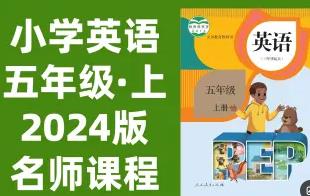

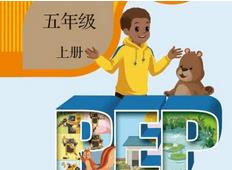
簡 介人教版五年級(jí)英語下冊(cè)課程同步講解,包括聽力精聽解析,閱讀指導(dǎo),寫作指導(dǎo),語法精講。Bruce的課堂不是傳統(tǒng)的填鴨式,擁有趣味性的動(dòng)畫視頻教學(xué),會(huì)帶你快樂的暢游在學(xué)習(xí)當(dāng)中,用最通俗易懂的語言讓你對(duì)枯燥的語法永遠(yuǎn)說拜拜~~Are you ready? Let's go for it !
本課程對(duì)應(yīng)人教版新起點(diǎn)小學(xué)英語教材(一年級(jí)起點(diǎn))
,由重點(diǎn)小學(xué)一線高級(jí)教師主講,具有多年英語教學(xué)經(jīng)驗(yàn),有親和力。幫助學(xué)生系統(tǒng),扎實(shí)掌握英語知識(shí)。
課程特色:
以英語學(xué)科素養(yǎng)為核心,知識(shí)點(diǎn)精講精練,總結(jié)重點(diǎn),攻克難點(diǎn),即學(xué)即練,培養(yǎng)閱讀習(xí)慣,提升聽說讀寫綜合能力,培養(yǎng)孩子用英語思考和表達(dá)的思維習(xí)慣。
課程內(nèi)容
Unit1 This is My Day
復(fù)習(xí)知識(shí)點(diǎn)
1、一When do you do morning exercises?你什么時(shí)候晨練?
一I usually do morning exercises at 8:30.我通常在8:30晨練。
When do you十動(dòng)詞短語?
它的回答:I usually\often….或Usually\Sometimes l….
2、一Excuse me.Can l ask you some questions? 對(duì)不起,打擾了。我可以問你些問題嗎?
它的回答是:Sure.\Certainly \Yes.等等。
3、—What do you do? 你是做什么的?
一I am a policeman.我是—個(gè)警察。女警察:policewoman
Unit 2 My Favourite Season
復(fù)習(xí)知識(shí)點(diǎn)
1、一What's your favourite season?你最喜歡哪個(gè)季節(jié)?
一Winter.冬天。
What's your favourite…?你最喜愛的……是什么?
它的回答:I like….或者直接答出這樣?xùn)|西就可以。
What's your favourite colour?你最喜愛的顏色是什么?
What's your favourite animal?你最喜愛的動(dòng)物是什么’;
2、一What's the weather like in spring?春天的天氣怎么樣?
它的回答是:It's….
—Which season do you like best? = What's your favourite season?
3、 一It's always sunny and cool.天氣總是晴朗又涼爽。
always:總是,一直。我們學(xué)過的這樣的詞還有:
usually:通常,—般;often:經(jīng)常;sometimes:有時(shí)候
Unit 3 My Birthday
復(fù)習(xí)知識(shí)點(diǎn)
1、一When is your birthday?你的生日是什么時(shí)候?
一My birthday is in June.我的生日在六月。
2、一How many birthdays are there in January? There are…
有多少人的生日在一月?有…。
3、一Is your birthday in February,too?你的生日也在二月嗎?這是…—般疑問句。
一When is Children’s Day? It's in June.兒童節(jié)是什么時(shí)候?在六月。
常見的國內(nèi)外節(jié)日還有:
Tree-planting Day 植樹仃 New Year's Day 新年,元旦
Army Day 建軍節(jié) National Day 國慶節(jié)
Christmas Day 圣誕節(jié) Mother's Day 母親節(jié)
Father's Day 父親節(jié) Women's Day 婦女節(jié)
Teachers’Day 教師節(jié)
Unit 4 What Are You Doing?
復(fù)習(xí)知識(shí)點(diǎn)
1、 一What are you doing?你正在干什么?
一I am doing the dishes.我在洗碗碟。
現(xiàn)在進(jìn)行時(shí)
意義:表示正在進(jìn)行或發(fā)生的動(dòng)作,常見的搭配有:now,Look! Listen!
它的構(gòu)成是:be(am/are/is) +動(dòng)詞的ing形式。
例如:I am drawing pictures.我在畫畫。
She is cooking dinner.她在做飯。
They are reading books.他們?cè)诳磿?/p>
一It's Chen Jie我是陳潔。這是打電話用語,用來介紹自己。它等于
This is Chen Jie=This is Chen Jie speaking千萬不能說成:I am Chen Jie.
2、一Do you want to go to the Children's Center.你想去兒童活動(dòng)中心嗎?
3、電話用語
一Can l speak to your mom,please? him/her:他/她(賓格)
請(qǐng)問,我可以跟你媽媽說嗎?打電話用語,找某人時(shí)說的。例如:Can l speak to 。。。?
一Please hold on.請(qǐng)等一下。打電話用語。
一There is a call for you.有一個(gè)電話找你。
一How's every body doing?二How is everyone doing?家里人怎么樣?
一Just fine.很好。
Who's that?我來了。誰啊?“Who's that'” 打電話用語,
用來問對(duì)方是誰,不能說成:Who are you?
Unit 5 Look at the Monkeys
復(fù)習(xí)知識(shí)點(diǎn)
1、Look & see的區(qū)別:look強(qiáng)調(diào)“看”這個(gè)動(dòng)作,后面要跟at搭配;
see則強(qiáng)調(diào)看到的結(jié)果。還要注意的是:
mother elephant:象媽媽,不能說成:elephant mother
baby kangaroo:袋鼠寶寶,不能說成:kangaroo baby
2、 —What is it doing?它在干什么?
它的回答是:It's+動(dòng)詞的ing形式。這是主語是第三人稱單數(shù)的現(xiàn)在進(jìn)行時(shí)。例如:It's eating bananas.它在吃香蕉。
3、 --That elephant is drinking water with is trunk.那只大象用它的象鼻喝水。With:和……一起,用。在這里是“用”的意思。trunk象鼻
Unit 6 A Field Trip
復(fù)習(xí)知識(shí)點(diǎn)
1、 --Are they catching butterflies?他們?cè)谧胶麊?這是They are catching butterflies的一般疑問句。它的肯定回答是:Yes,they are.
否定回答是:No,they aren't.
2、一Are you eating lunch?你(們)在吃午飯嗎?這是“I am eating lunch.”或者“We are eating lunch.’’的一般疑問句。它的肯定回答是:Yes,I am.\Yes,w乏are.
否定回答是:NO,I am not.\NO,we aren't.
3、 一Is he taking pictures?他在照相嗎?這是He is taking pictures.的一般疑問句。它的肯定回答是:Yes,he is.否定回答是:No,he isn't.
