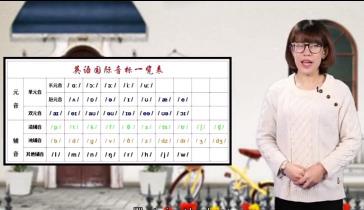
- 1.1 Part 1 Phonetics:Vowels
- 1.2 Part 2 Phonetics:Consonants and Pronunciation Rules
- 2.1 Part 1 Greeting
- 2.2 Part 2 CET Spoken English Band Four Sample Test
- 3.1 Part 1 Food
- 3.2 Part 2 CET Spoken English Band Four Model Test:Food
- 4.1 Part 1 Shopping
- 4.2 Part 2 CET Spoken English Band Four Model Test:Shopping
- 5.1 Part 1 Sports and Entertainment
- 5.2 Part 2 CET Spoken English Band Four Model Test:Sports
- 6.1 Part 1 Travel
- 6.2 Part 2 CET Spoken English Band Four Model Test: Travel
- 7.1 Part 1 Health
- 7.2 Part 2 CET Spoken English Band Four Model Test: Health
- 8.1 Part 1 Friendship Love and Marriage
- 8.2 Part 2 CET Spoken English Band Four Model Test:Friendship
- 9.1 Part 1 Festivals
- 9.2 Part 2 CET Spoken English Band Four Model Test:Entertainment
- 10.1 Part 1 Employment
- 10.2 Part 2 CET Spoken English Band Four Model Test:Education
- 11.1 The Introduction to the Spring Festival
- 11.2 Festival Preparations
- 11.3 Chinese New Years Eve
- 11.4 The Twenty-Four Solar Terms
- 11.5 Customs Observed Before the New Year
- 11.6 The Legend of the Spring Festival
- 11.7 Changes in New Year Pictures
- 11.8 Spring Festival Celebrations
- 12.1 The Introduction to the Culture of the Lantern Festival
- 12.2 The Introduction to Lanterns
- 12.3 The Introduction to Yuanxiao
- 12.4 The Brief Introduction to the Customs of the Lantern Festival
- 12.5 The Introduction to Drum Dance
- 12.6 The Introduction to Lion Dance
- 12.7 The Introduction to Dragon Dance
- 12.8 The Introduction to Lantern Riddles
- 13.1 The Introduction to the Dragon Boat Festival
- 13.2 The Origin of the Dragon Boat Festival
- 13.3 Customs in Old Peking
- 13.4 The Dragon Boat Racing
- 13.5 Making and Eating Zongzi
- 13.6 Cleaning Houses and Hanging Artemisia
- 13.7 Drinking Realgar and Collecting Hsiang Pao
- 14.1 The Customs of the Moon Festival
- 14.2 The Moon Festival in the World
- 14.3 The First Legend of the Moon Festival-- Chang E
- 14.4 The Second Legend of the Moon Festival--Jade Rabbit
- 14.5 The Third Legend of the Moon Festival -- Yue Lao
- 14.6 The Fourth Legend of the Moon Festival -- Wu Kang
- 15.1 The Introduction to the Chongyang Festival
- 15.2 The Legend of the Chongyang Festival
- 15.3 The Customs of the Chongyang Festival
- 16.1 The Introduction to Valentines Day
- 16.2 The Customs of Valentines Day
- 16.3 The Activities of Valentines Day in Different Places
- 16.4 The Culture of Valentines Day
- 17.1 The Introduction to Easter
- 17.2 The History of Easter
- 17.3 The Feast of Easter
- 17.4 The Customs of Easter
- 17.5 The Easter Bunny
- 17.6 The Easter Eggs and the Cross
- 17.7 Easter Egg Games
- 17.8 Easter Celebrations around the World
- 18.1 The Introduction to Japanese Girls Day
- 18.2 The Origin of Japanese Girls Day
- 18.3 The Customs of Japanese Girls Day
- 18.4 The Culture of Japanese Girls Day
- 19.1 The Introduction to Halloween
- 19.2 The Customs of Halloween
- 19.3 The Origin of Halloween
- 19.4 The Legend of Jack-O-Lantern
- 20.1 The Arrival of Separatists
- 20.2 The Feast of Thanksgiving Day
- 20.3 The Establishment of Thanksgiving Day
- 20.4 Thanksgiving Day in America
- 20.5 Abundant Food on Thanksgiving Day
- 20.6 Activities on Thanksgiving Day
- 21.1 The Celebration of Christmas Day
- 21.2 The Decoration for Christmas Day
- 21.3 The Activities of Christmas in Different Places
- 21.4 The Introduction to Christmas
- 21.5 The History of Christmas
- 21.6 The Stories of Santa Claus
- 22.1 第一次直播
- 22.2 第二次直播
這門(mén)課程將帶你擺脫“啞巴英語(yǔ)”的困境,勇敢的開(kāi)口說(shuō)英語(yǔ)。從語(yǔ)音開(kāi)始,字正腔圓;從生活英語(yǔ)開(kāi)始,體驗(yàn)英語(yǔ)交流的自由氛圍。
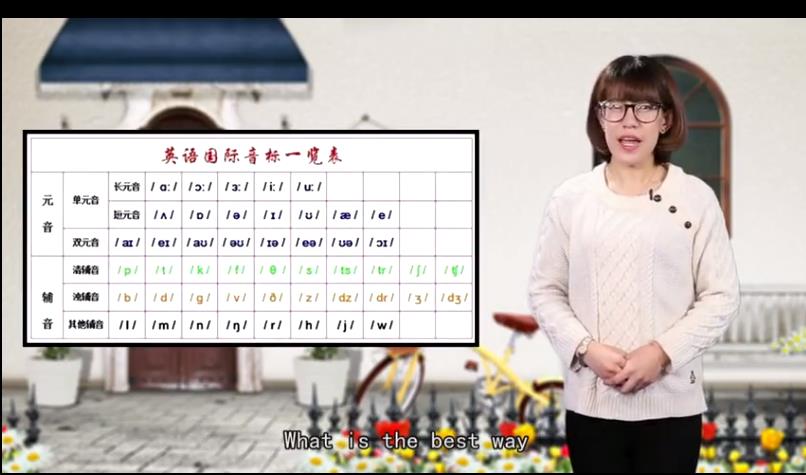
在本課程結(jié)束時(shí),學(xué)員能夠具備進(jìn)行國(guó)際交流時(shí)需要的基本口語(yǔ)能力:能就休閑類(lèi)話題進(jìn)行日常對(duì)話,并自然使用交際策略;能就一般話題進(jìn)行持續(xù)3分鐘左右的即興演說(shuō),并做到組織條理清晰,連接自然,細(xì)節(jié)充分;能夠參與抽象類(lèi)話題的討論與辯論,做到分析復(fù)雜情況,在此基礎(chǔ)上發(fā)表并支持自己的觀點(diǎn),并駁斥反觀點(diǎn)。
本課程適用對(duì)象:有一定的英語(yǔ)基礎(chǔ),希望在口語(yǔ)單項(xiàng)上有所突破的學(xué)生;以及準(zhǔn)備參加雅思、托福考試的學(xué)生。
大學(xué)英語(yǔ)口語(yǔ)練習(xí)要學(xué)會(huì)創(chuàng)設(shè)多種情景
在練習(xí)大學(xué)英語(yǔ)口語(yǔ)時(shí),要特別注意大多數(shù)口頭表達(dá)是與他人交流的。我們很少發(fā)表長(zhǎng)篇大論,這就是說(shuō)我們必須培養(yǎng)自己理解別人講話的能力,然后根據(jù)我們所聽(tīng)到的內(nèi)容做出回答。對(duì)話的性質(zhì)不同,要求的技巧也自然不同。例如:日常交流、敘述、交流看法和觀點(diǎn)等等。平時(shí)要模擬不同情景進(jìn)行練習(xí)才會(huì)讓你的英語(yǔ)口語(yǔ)有所提升。
積極的大學(xué)英語(yǔ)口語(yǔ)教學(xué)模式才有效
大學(xué)英語(yǔ)口語(yǔ)教學(xué)中,要采取積極主動(dòng)而非被動(dòng)的方式。如果培訓(xùn)師在講解一篇材料的同時(shí)能夠提出一些問(wèn)題讓學(xué)生們積極主動(dòng)地用英語(yǔ)參與討論,那么相信學(xué)生們的口語(yǔ)水平會(huì)提高地更快。例如,培訓(xùn)師說(shuō):"今天我準(zhǔn)備給你們描述一個(gè)現(xiàn)象。講完之后,我要問(wèn)你們這個(gè)難題應(yīng)該怎么解決。"這會(huì)鼓勵(lì)學(xué)生們積極認(rèn)真地聽(tīng),在聽(tīng)的過(guò)程中組織語(yǔ)言,進(jìn)行有邏輯地分析并形成觀點(diǎn),然后用英語(yǔ)表達(dá)出來(lái)。
大學(xué)英語(yǔ)口語(yǔ),怎樣才能流利說(shuō)?
我們?cè)趯W(xué)習(xí)大學(xué)英語(yǔ)口語(yǔ)時(shí),主要應(yīng)做到四件事: 理解、回答、提問(wèn)、口頭表達(dá)。經(jīng)常訓(xùn)練這四項(xiàng)基本技能,或找一位可以訓(xùn)練你的培訓(xùn)師,能幫助您練就一口流利的英語(yǔ)。當(dāng)然如果您能來(lái)英孚教育,您將能夠體驗(yàn)到與普通培訓(xùn)中心不一樣的學(xué)習(xí)感受。我們的Efekta學(xué)習(xí)系統(tǒng)能建立學(xué)生說(shuō)英語(yǔ)的自信與流利度。除了讓學(xué)員掌握英語(yǔ)的基本知識(shí)結(jié)構(gòu)(聽(tīng)說(shuō)讀寫(xiě)、語(yǔ)法和詞匯)之外,我們的課程還著重于英語(yǔ)的流利、準(zhǔn)確、自信、社交技巧和創(chuàng)造性等方面。