

一、基礎(chǔ)知識
1 .字母:26 個字母的大小寫:
A B C D E F G H I J K L M N O P Q R S T U V W X Y Z
a b c d e f g h i j k l m n o p q r s t u v w x y z
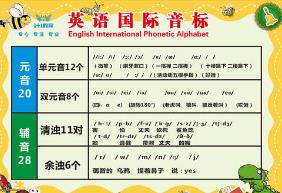
2.語音:元音的發(fā)音
五個元音字母: A E I O U
12 個單元音:
前元音:[i :][r]/e/[æ],中元音:[3:][ə],后元音:[D:][a][o:][u:][u][∧]
雙元音(8個)
(1)合口雙元音(5個) : [ai] [ei] [au] [au] [oi]
(2)集中雙元音(3個): [Tə ] [ eə ] [ uə ]
二、10 種單詞詞性
動詞 v. 名詞 n. 冠詞 art. 副詞 adv. 形容詞 adj. 介詞 prep. 數(shù)詞 num. 感嘆詞 int. 連詞 conj. 代詞 pron.
三、8 組人稱代詞
疑問
代
詞
I 我(主格) me 我(賓格) my 我的
you 你(主格) you 你(賓格) your 你的
she 她(主格) her 她(賓格) hers 她的
he 他(主格) him 他(賓格) his 他的
we 我們(主格) us 我們(賓格) our 我們的
they 他們(主格) them 他們(賓格) their 他們的
It 它(主格) it 它(賓格) its 它的
that 那,那個 these 這些 those 那些
四、20 個疑問代詞
疑問代詞
問什么 what 問原因 why 問哪里 where
問哪個 which 問誰 who 問誰的 whose
問顏色 what color 問幾點 what time 問星期 what day
問時候 when 問怎樣 how 問年齡 how old
問多大 how big 問多長 how long 問多久 how time
問多少 how many 問價格 how much 問多高 how tall
五、16種時態(tài)
1.-般現(xiàn)在時do
2.-般過去時did
3.-般將來時will do
4.過去將來時would do
5.現(xiàn)在進行時be doing
6.將來進行時will be doing
7.現(xiàn)在完成時have/has done
8.過去進行時was/were doing
9.過去完成時had done
10.將來完成時will have done
11過去將來進行would be doing
12.過去將來完成would have done
13.現(xiàn)在完成進行have been doing
14.過去完成進行had been doing
15.將來完成進行時will have been doing
16.過去將來完成進行時would have been doing
六、常見英文縮寫
I am ---I' m
That is--- that' s
did not---didn' t
Is not --- isn' t
It is --it' s
can not--- can' t
What is ---what' s
There is---there' s
I will ---I' II
are not--- aren' t
You are--- you' re
When is---when' s
He is ---he's
do not---don' t
we will--we' II
was not --- wasn' t
We are--- we' re
Who is--- who' s
She is --- She' s
does not--- doesn' t
will not---won' t
were not--- weren' t
They are---they' re
where is--- where' s
七、8大被動語態(tài)
①一般現(xiàn)在時 do/does am/is/are
②-般將來時 will do will/shall be done
③一般過去時 did was/were done
④現(xiàn)在進行時 be doing am/is/are being doing
⑤現(xiàn)在完成時 have/has done have/has been done
⑥過去完成時 had done had been done
⑦過去將來時 would do would be done
⑧過去進行時 be doing was/were being done
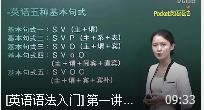
八、句子結(jié)構(gòu)
主+謂:S+V 主+謂+賓+賓補:S+V+O+C 主+謂+賓:S+V+O
主+謂+賓賓:S+V+0+O 主+系+表:S+V+C 名詞性從句
九、8大時態(tài)標志詞
一般現(xiàn)在時
1.always總是
2.usually通常
3.often經(jīng)常
4.sometimes有時
5.never從不;
6.every day每天
7.every time每次
8.in the morning早上
9.once a week每周1次
10.three times a week每周三次
11.twice a month每月兩次
12.hardly ever幾乎不
13.every Sunday每個周日
14.at night在晚上
一般過去時
1.ago以前
2.yesterday昨天
3.just now剛才
4.last time上次
5.last night昨晚
6.last year去年
7.last term上學(xué)期
8.last Monday周一
9.once曾經(jīng)
10.once upon a time曾經(jīng)
11.in+過去的時間過去某時
12.in the early days在早期
13.the day before yesterday前天
一般將來時
1.tomorrow明天
2.the day after tomorrow后天
3.tomorrow night明晚
4.next time下次
5.next Friday下周五
6.next month'下個月
7.soon很快
8.next ter下學(xué)期
9.in+一段時間 多久之后
10.sooner or later遲早
11.at once立刻
12.by the end of+將來時間
現(xiàn)在進行時
1.now現(xiàn)在
2.look看
3.listen聽
4.at this time此時
5.at this moment此時
6.at present現(xiàn)在
過去進行時
1.at that time在那時
2.at that moment在那時
將來進行時
1.tomorrow明天
4.the day after tomorrow后天
2.soon待會
3.the week/ month/ year...
5.next week/month/ year/..下個周/月/明年
現(xiàn)在完成時
1.already已經(jīng)
2.yet還
3.just剛才
4.never從不
5.ever曾經(jīng)
6.before以前
7.up to now目前為止
8.so far目前為止
9.for+ 一段時間
10.since+過去某一時間
過去完成時
by+過去時間點
before +過去時間點
by the time到..時候為止
by then到那時候
up until+過去時間點
up until then直到那時
by last time最后一次
up until last time直到上次
by the end of last week到了上周末
十、名詞:名詞單復(fù)數(shù),名詞的格
(一)名詞單復(fù)數(shù)
1.一般情況,直接加-s,如: book-books,bag-bags ,cat - cats,bed-beds
2.以s. x. sh. ch結(jié)尾,加-es, 如: bus -buses, box- boxes, brush-brushes, watch- watches
3.以”輔音字母+y"結(jié)尾,變y為i,再加-es,如:family- -families , strawberry - strawberries
4.以“f或fe” 結(jié)尾,變f或fe為v,再加-es,如: knife - knives
5.不規(guī)則名詞復(fù)數(shù): man-men, woman-women, policeman-policemen, policewoman-policewomen, mouse -mice, child-children, foot -feet, tooth-teeth.fish-fish .people-people, Chinese -Chinese, Japanese-Japanese
不可數(shù)名詞的復(fù)數(shù)是原型: paper, juice, water, milk, rice , tea
(二)名詞的格
1.有生命的東西的名詞所有格:
(1)單數(shù)后加's,如: Lucy'sruler ; my father' s shirt
(2)以s結(jié)尾的復(fù)數(shù)名詞后加' 如:“his friends bags
(3)不以S結(jié)尾的復(fù)數(shù)后加’s,如: children ' s shoes
a)并列名詞中,如果把' s加在最后一一個名詞后,表示共有,
如:Tom and Mike’s car湯姆和邁克共有的小汽車
b)要表示所有物不是共有的,應(yīng)分別在并列名詞后加' s
Tom ' S and Mike ' s cars湯姆和麥克各自的小汽車
2、表示無生命東西的名詞通常用"of +名詞”來表示所有關(guān)系:
如: a picture of the classroom a map of China
十一、冠詞:不定冠詞,定冠詞
不定冠詞a/an(泛指)
an+元,a+輔,序詞又一個
①an+元音aeiou
如:an umbrella,an hour, an honest boy (拼讀時h不發(fā)音,o發(fā)元音)
②a+輔音(除元音)
如:a cat,a uniform, a university,a useful book, a one-way street 一條街 (o不發(fā)元音)
③a/an+序數(shù)詞:又一個
如:I have a third apple . 我又吃了一個蘋果.(表示一共吃三個)
定冠詞the(特指)
一家人過中國節(jié),宇宙日月星辰
定冠詞+形 容 詞、分 詞、姓 氏:“ 某 一 類人/家人”
如:the rich富人,the wounded傷員,the Greens格林家
中國傳統(tǒng)節(jié)日
如:the Dragon Boat Festival,the Spring Festival (Chines New Year)
宇宙中獨一無二的事物
如:the sun,the earth,the moon,the sky,the world
固定早中晚,手拉樂器,在80年西方
固定搭配
如:play the violn,in the morning,in the east,in the 1980s,on the shoulder
黃河專屬地,演奏得最好,世界第一名
專有名詞
如:the West Lake,the Pacife Ocean,the Yellow River
序數(shù)、形容詞最高級
如:the third,He is the talest.
零冠詞(泛指)
人名抽身份,有其他限定
人/地名、抽象名詞、身份
如:Mike、Shanghai、love、mum
有其它限定詞
如:this book、each person
學(xué)習(xí)餐球棋,在洋節(jié)12月星期5
球/棋類,三餐,學(xué)科
如:play football、play chess、eat dinner、learn English
星期,月份,外國節(jié)日
如:on Sunday、on October 1st、Children’s Day
