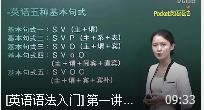
常見句型:陳述句用于表達(dá)事實(shí),如 “She is a student”;一般疑問句把 be 動(dòng)詞或助動(dòng)詞提前,如 “Is she a student?”;否定句在 be 動(dòng)詞或助動(dòng)詞后加 “not”,如 “She is not a student”。
復(fù)合句和從句:復(fù)合句包含主句和從句。從句又分為主語(yǔ)從句、賓語(yǔ)從句、表語(yǔ)從句、定語(yǔ)從句、狀語(yǔ)從句等。例如賓語(yǔ)從句,要注意引導(dǎo)詞、語(yǔ)序和時(shí)態(tài)呼應(yīng),如 “I know that he is a student”。
特殊句式:包括倒裝句、強(qiáng)調(diào)句、虛擬語(yǔ)氣等。倒裝句如 “Only in this way can we learn English well”;強(qiáng)調(diào)句如 “It is he that/who helped me”;虛擬語(yǔ)氣如 “If I were you, I would go there”。